
Why Consumer Reports Ratings Matter for a Colorado Home
Front Range homeowners deal with intense summer sun, cold overnight temperatures, and wide swings between the two in the same week. That mix puts more stress on a window than a mild coastal climate does, which is exactly why performance ratings matter here more than in some other parts of the country. A window that tests well on thermal performance is doing real work against a Colorado utility bill, not just checking a box on a spec sheet.
The challenge is that most shoppers never see the actual testing methodology, just a star rating or a score out of ten. Understanding what sits behind that number helps you ask better questions when you're comparing options for Englewood, Denver, or anywhere across the metro, whether you're replacing one window or the whole house.
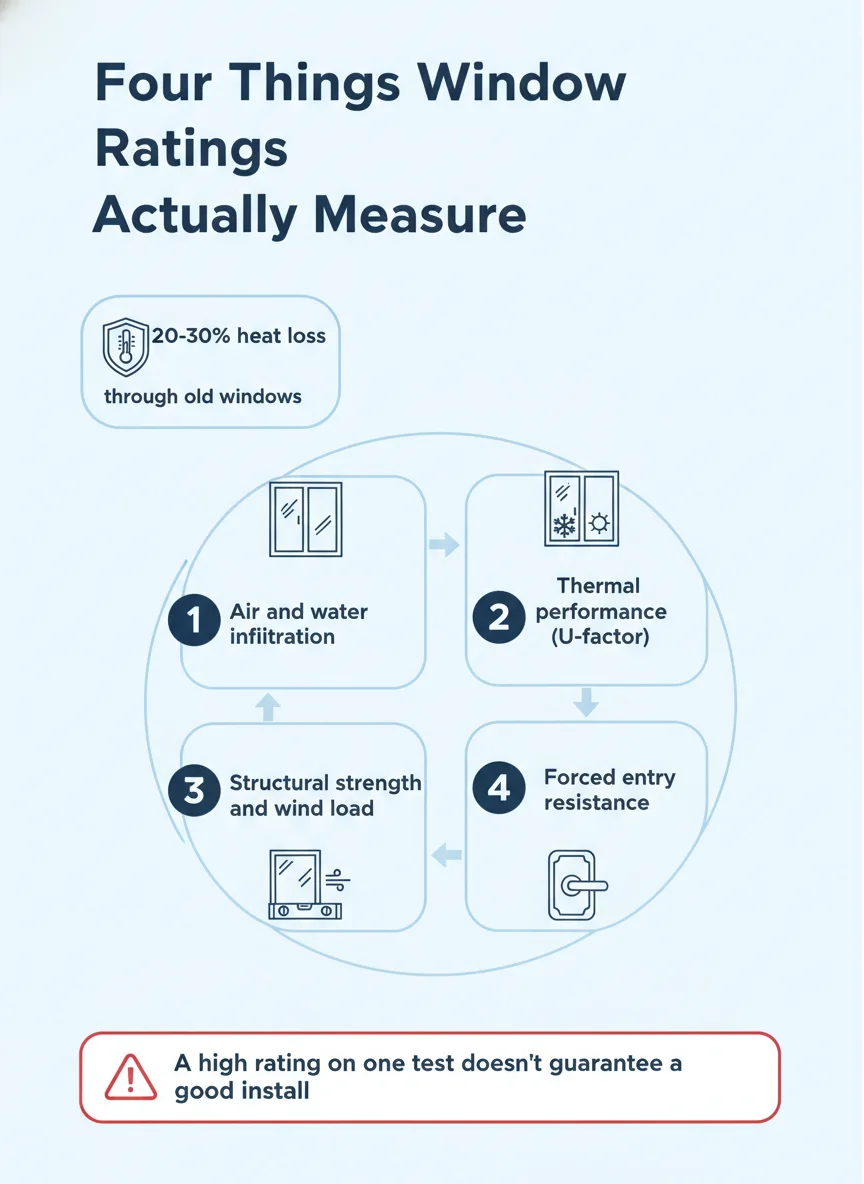
What Goes Into a Window Performance Score?
Independent testing organizations evaluate windows across a handful of core categories: air infiltration, water infiltration, thermal performance, structural integrity under wind load, and forced entry resistance. Each category gets its own test, and the combined results produce the overall rating you see published.
Air and Water Infiltration
This measures how much air and water sneak past the frame and sash when the window is closed and under pressure. A tight seal here is the difference between a window that holds conditioned air in and one that lets drafts through around the edges, which you'll feel as a cold spot near the glass on a January morning.
Over time, weatherstripping and seals degrade even on a well-rated window, so infiltration performance is partly about the product and partly about install quality. A window set into an opening that isn't sealed correctly can underperform its own rating regardless of how well it tested in a lab.
Thermal Performance and U-factor
U-factor measures how well a window resists heat flow, with a lower number meaning better insulation. This is the single most climate-relevant number on a window label for Colorado, since it affects both winter heat loss and summer heat gain through the same piece of glass.
Solar heat gain coefficient is the companion number worth checking alongside U-factor, since it tells you how much solar heat passes through on a bright Colorado afternoon. Windows that face west or get strong afternoon sun benefit from a lower SHGC rating even if the U-factor is similar to other options.
| Factor | What It Measures | Why It Matters in Colorado |
|---|---|---|
| U-factor | Rate of heat transfer through the window | Lower numbers cut heating costs through cold Front Range winters |
| SHGC | Solar heat let through the glass | Matters most on west and south-facing windows with strong sun |
| Air infiltration | Air leakage around frame and sash | Keeps drafts out during wide temperature swings |
| Forced entry resistance | Strength of locks and frame under force | A security factor separate from energy performance |
Frame Materials and Where They Land on the Ratings
Vinyl, wood, fiberglass, and composite frames each bring a different mix of strengths to these tests. Vinyl tends to score well on energy efficiency and upkeep because the material insulates on its own and doesn't need repainting or sealing like wood does over the years.
Wood frames often score well on appearance and can perform close to vinyl thermally when properly maintained, but they ask more of the homeowner in upkeep. Composite and fiberglass frames split the difference, generally testing strong on structural categories while costing more upfront than vinyl. Window Replacement options in double-hung, casement, sliding, and specialty shapes come in all of these materials, so the frame choice is really a tradeoff between upkeep and upfront cost rather than a simple better-or-worse decision.
Step-by-Step: How to Compare Window Ratings Before You Buy
Ratings are only useful if you know how to read them against your own home. Here's a practical order to work through before you commit to a product or a quote.
- Check the U-factor first: Start with U-factor since it's the clearest predictor of year-round energy performance for a Colorado climate.
- Compare SHGC by exposure: Match solar heat gain coefficient to which direction each window faces, since west and south exposures benefit more from a lower number.
- Confirm frame material fits your maintenance plan: Decide how much upkeep you want to do over the next 15-20 years before you lock in a frame material.
- Ask about the glass package: Double or triple-pane glass with low-E coatings changes the performance numbers more than frame material alone.
- Get the opening measured in person: A rating only holds up if the window is sized and sealed correctly for your actual opening, not a stock dimension.
- Compare warranty terms across quotes: Ask each company what their warranty actually covers, since terms vary by installer and by product line.
What You'll Actually Notice After an Upgrade
The ratings predict performance, but homeowners usually notice the change in a few specific ways once new windows are in. The most common is a more even temperature from room to room, since drafty old windows tend to create cold pockets near exterior walls that disappear once the seal is tight.
Energy Bill Changes
A lower U-factor window reduces how hard your furnace and air conditioner work to hold a set temperature, which shows up gradually over a full heating and cooling season rather than in the first bill. The effect is more noticeable in homes with original single-pane or older double-pane windows than in homes already running newer units.
Noise reduction is a secondary benefit that often surprises people, since the same seal and glass package that blocks air also dampens street noise. This matters more on busier roads through parts of the Denver metro than in quieter residential pockets.
Condensation and Comfort
Fogging between the panes on an old unit is a sign the seal has failed, something covered in more detail in our post on replacing foggy window glass. A properly rated and installed replacement window shouldn't develop interior condensation under normal conditions, and persistent fogging after an install is usually worth a follow-up inspection.
Comfort near the window itself, no cold draft when you stand close to the glass on a winter evening, is one of the most immediate differences homeowners report, and it lines up directly with the air infiltration and U-factor numbers discussed above.
What You Can Research Yourself vs. What Needs a Pro
Homeowners can absolutely do the first layer of research on their own: comparing published U-factor and SHGC numbers, deciding on a frame material based on maintenance preferences, and narrowing down a short list of options that fit the budget and the home's style.
Where a licensed installer earns their keep is in translating those lab numbers into a correct fit for your actual openings. Window size, the condition of the framing underneath, and how the opening gets sealed all affect whether a highly rated window performs the way its label promises once it's actually in the wall.
A proper quote process should include someone measuring the openings at your home, discussing frame and glass options against your home's sun exposure, and walking you through what's included in the install itself. That's a different conversation than comparing spec sheets online, and it's the step that actually determines whether you get the performance the rating promised.
Bringing It Back to Your Home
Ratings are a useful starting point, but the real test is how a window performs in your specific opening, facing your specific sun exposure, through a full Colorado year. Use the categories above to ask sharper questions, then get an in-home measurement before you commit to a product.
If you're weighing options for a home in Littleton or anywhere else across the metro, Precise Windows LLC can walk through which frame and glass combinations make sense for your specific windows and exposure.
Frequently asked questions
Does Consumer Reports test window brands sold in Colorado?
Consumer Reports tests window categories and general performance rather than ranking every regional brand, so its scores are most useful as a guide to what to ask about, not a brand-by-brand shopping list for Denver metro suppliers. Local suppliers and installers can tell you which lines meet those same performance categories.
What does a high energy efficiency rating actually mean?
A high rating usually means a lower U-factor and a tighter seal against air leaks, which translates to less heat loss in winter and less heat gain in summer. In a state with big day-to-night temperature swings like Colorado, that efficiency shows up directly in a lower heating bill.
Are vinyl windows rated as well as wood or fiberglass?
Vinyl windows often score competitively on energy efficiency and value because the frame material itself insulates well and needs little upkeep. Wood and fiberglass can score higher on certain durability or aesthetic measures, but the gap on core performance tests is often smaller than people expect.
Should I trust online reviews over a published rating?
Published testing is more consistent because it uses the same conditions across products, while online reviews mix in installation quality, which a rating doesn't measure at all. The two are useful together: use ratings to narrow the window type and frame material, then use reviews and a local inspection to judge the installer.
How often do window ratings change?
Ratings are updated as manufacturers release new product lines, so a window that scored well a few years ago may have been replaced by an updated version with different glass or frame specs. Always confirm you're comparing the current version of a product, not an older spec sheet.